The 10 Best Brands Of Organic Matcha
Not all matcha is the same! The best brands not only source from Japan but also provide third-party testing for heavy metals, pesticides, and radiation. I’m sharing 10 organic matcha brands that have been tested for purity + safety so you can sip with confidence.
Disclosure: This post contains affiliate links, which means if you make a purchase through these links, we may receive a small commission at no extra cost to you.
A few years ago I went through a bout of chronic insomnia and I had to give up coffee. Enter matcha. I started drinking a matcha latte every morning and I haven’t looked back. Along the way I got my teenage daughter into matcha, and now she has a special matcha cart set up in her dorm room. Neither of us can live without our matcha!
With news of heavy metals contaminating tea, I wanted to thoroughly research matcha brands and find the ones that third party tested by independent labs for both heavy metals and radiation. Since matcha is mainly grown in Japan, it should definitely be tested for radiation- in 2011, radioactive materials were released into the environment following a disaster in the Fukushima region of Japan. In the years following the disaster, the Japanese government implemented very strict radiation testing guidelines for food products, with limits stricter than many other countries.
If you’re a matcha newbie or have never tasted it, here’s a quick guide to get you started.
What is Matcha?
Matcha is a type of tea mainly grown in Japan. Matcha, green tea and black tea all come from the Camellia sinensis plant. Matcha is a finely ground green tea powder and you consume the whole leaf, so it has a more concentrated flavor and higher nutrient content. Unlike green tea, matcha tea plants are shaded for several weeks before harvest to increase chlorophyll, amino acids, and antioxidants. The leaves are then steamed, dried, and stone-ground into a bright green powder.
What Does Matcha Taste Like?
Matcha has a smooth, slightly sweet, earthy, and umami-rich flavor. Some people liken it to the taste of grass, but matcha aficionados like me think it has its own distinct and wonderful taste.
Health Benefits of Matcha
Matcha is high in antioxidants (especially EGCG), may boost metabolism, improve focus due to caffeine + L-theanine, and support heart and liver health. Because you consume the whole leaf, matcha can provide 3–10 times the antioxidants of regular steeped green tea.
Matcha contains L-theanine, a natural amino acid found almost exclusively in tea leaves, and it’s known for its calming, relaxing effects on the brain without causing drowsiness. L-theannine may improve focus, attention, and cognitive performance when paired with caffeine (I have definitely found this to be true). A typical serving of matcha provides about 25–50 mg of L-theanine, which is enough to have noticeable calming and focus-enhancing effects.
Types of Matcha
- Ceremonial Grade
- Highest quality matcha, made from the youngest tea leaves.
- Vibrant, bright green color, smooth texture, naturally sweet + umami flavor (not bitter).
- Traditionally used in Japanese tea ceremonies and enjoyed whisked with hot water only (no milk, sugar, or cooking).
- Best for sipping straight because it highlights the delicate taste and health benefits.
- Premium Grade
- Slightly lower quality than ceremonial but still excellent.
- Made from slightly older leaves, so the taste is a little more robust, sometimes with mild bitterness.
- Great for daily drinking. You can whisk it with water or use it in lattes.
- Balanced in flavor and price, so many people choose this for everyday matcha habits.
- Culinary Grade
- More affordable and versatile, made from more mature tea leaves.
- Darker green, sometimes more yellowish, with a stronger, slightly more bitter flavor.
- Best for cooking and baking (smoothies, matcha pancakes, cookies, ice cream).
- Not usually recommended for straight drinking, but perfect for recipes where you need the flavor to stand out.
How To Make matcha
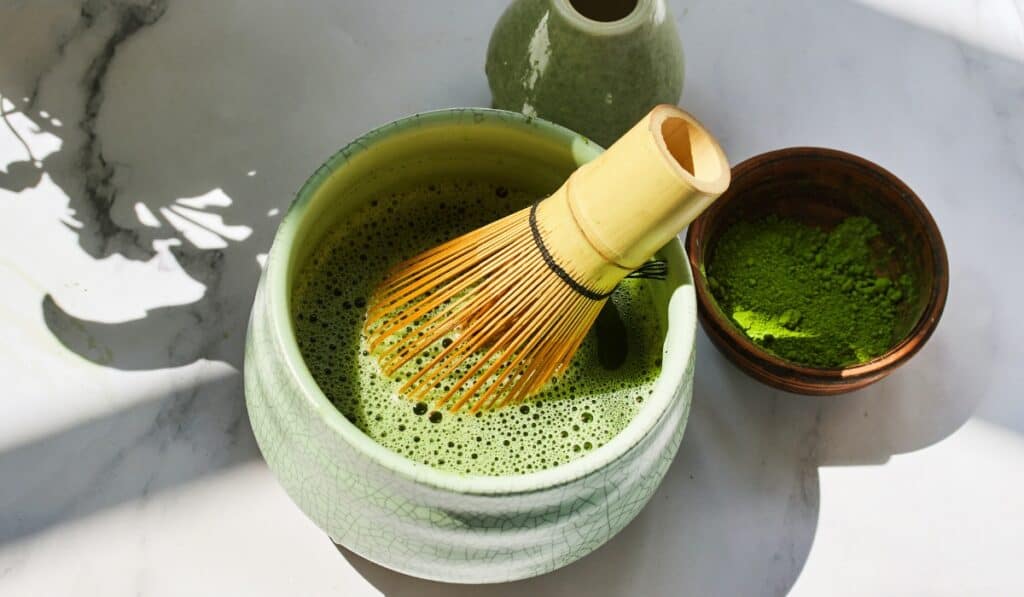
- Sift 1–2 teaspoons of matcha into a bowl (to prevent clumps)- I honestly don’t sift my matcha. Full matcha set here.
- Pour in about 2 oz of hot water (160–175°F / 70–80°C – not boiling). I use this electric glass kettle.
- Using a bamboo whisk (chasen), whisk briskly in a “W” or “M” motion until frothy and smooth. You can also use an electric whisk.
- Pour into your favorite mug.
- For a Matcha Latte: Follow steps 1–3, but use less water (about 1–2 oz). Top with warm or frothed milk of your choice.
Beyond matcha, give your kitchen a non-toxic makeover with low-tox appliances and plastic-free cooking utensils.
If you’re new to matcha or just want to try some organic brands that are tested for heavy metals, radiation and more, look below for 10 of the best brands that I recommend. Get ready to sip on delicious clean, green and pure matcha!

Kyoto Dew Matcha Powder
Cost | $26.75 for 30g ($0.89 per gram)
Certifications | 100% Certified organic (USDA and JAS)
Tests For Heavy Metals | tested by independent, third-party laboratories. They have found none at the stringent limits set by California Proposition 65 in their tests conducted in July 2025.
Tests For Radioactivity | yes
Growing Region | Uji region of Kyoto, Japan
Grade | ceremonial-grade
About | This brand showcases the unparalleled taste and purity of first harvest matcha, renowned for its healing properties, while also honoring its rich heritage and cultural significance.
Shop | Kyoto Dew Matcha Powder

Matcha Moon Matcha Powder
Cost | $22.95 for 30g ($0.77 per gram)
Certifications | 100% USDA & JONA Organic
Tests For Heavy Metals | tested by independent, third-party laboratories
Tests For Radioactivity | yes
Growing Region | Uji region of Kyoto Japan
Grade | ceremonial-grade
About | Matcha Moon’s mission is to curate, source, and deliver the Earth’s best organic Japanese matcha and teas available anywhere–to tea lovers everywhere.
Shop | Matcha Moon Matcha Powder

Kenko Matcha Powder
Cost | $27.99 for 30g ($0.93 per gram)
Certifications | 100% USDA & JONA Organic
Tests For Heavy Metals | tested by independent, third-party laboratories
Tests For Radioactivity | yes
Growing Region | Nishio region of Southern Japan
Grade | ceremonial-grade
About | The founder has a passion for premium matcha green tea and we believe he’s sourced the world’s best tasting matcha. This matcha showcases the unparalleled taste and purity of first harvest matcha, renowned for its healing properties, but also honoring its rich heritage and cultural significance.
Shop | Matcha Moon Matcha Powder

Matcha Konomi Miya Matcha Powder
Cost | $26.96 for 30g ($0.90 per gram)
Certifications | USDA Organic and JAS
Tests For Heavy Metals | tested by independent, third-party laboratories
Tests For Radioactivity | yes
Growing Region | Miyazaki, Japan
Grade | ceremonial-grade
About | Matcha Konomi is exclusively the first harvest. They have an unwavering commitment to quality, tradition, sustainability, and, above all, the well-being of our valued customers. We grind our matcha carefully in small batches each month, preserving its quality, flavor, and vibrant color. This dedication to freshness and purity ensures that our matcha stands out as a cut above the rest.
Shop | Matcha Konomi Miya Matcha Powder
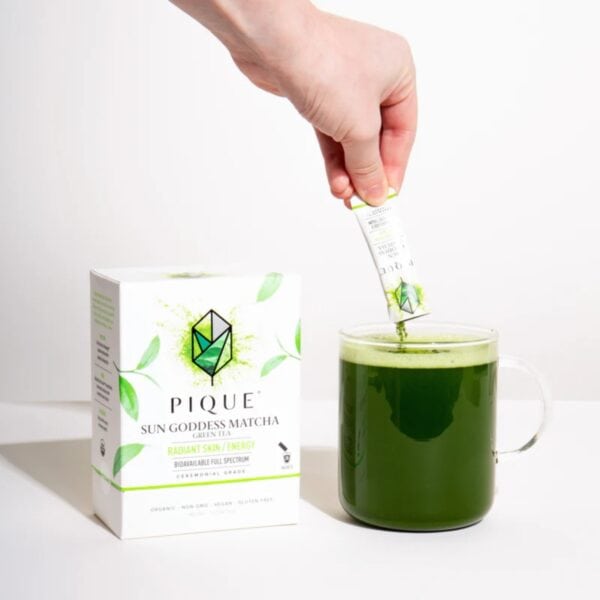
Pique Sun Goddess Matcha Powder
Cost | $78 for 70g ($1.11 per gram)
Certifications | USDA Organic
Tests For Heavy Metals | yes, part of quadruple toxin screening (heavy metal, pesticides, mold)
Tests For Radioactivity | yes
Growing Region | Kagoshima, Japan
Grade | ceremonial-grade
About | This sun goddess matcha is organic, ceremonial-grade matcha made by third generation teamasters, using 130-year-old techniques. Their matcha trees are cultivated with 35% longer shading periods to maximize phytonutrient potential.
Shop | Pique Sun Goddess Matcha Powder

Encha Matcha Powder
Cost | $19.95 for 30g ($0.67 per gram)
Certifications | USDA Organic and JAS
Tests For Heavy Metals | tested by independent, third-party laboratories. Lead is NOT detected at the most stringent CA Prop 65 limits (lead limit is 0.5 ppm, particle per million)
Tests For Radioactivity | yes
Growing Region | Uji, Kyoto, Japan
Grade | ceremonial-grade
About | This clean, stone ground, organic matcha is perfect for daily rituals. Their harvest and production processes are rooted in ancient traditions, where slow, meticulous care is paramount.
Shop | Encha Matcha Powder
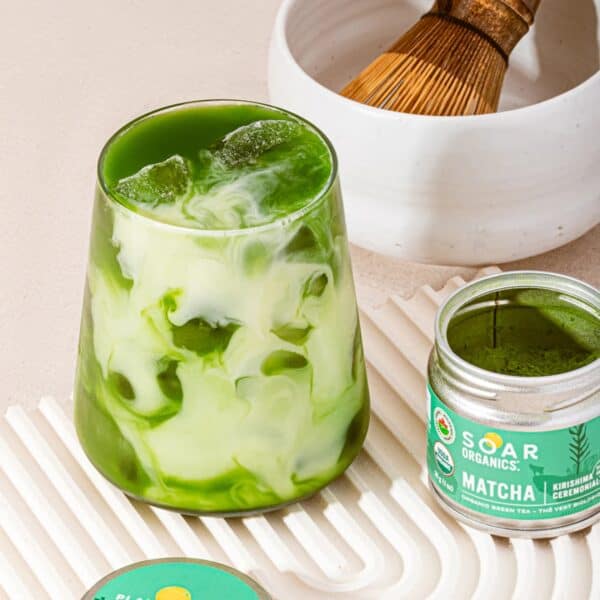
Soar Organics Matcha Powder
Cost | $29.95 for 30g ($1.00 per gram)
Certifications | Certified Organic in Canada
Tests For Heavy Metals | tested by independent, third-party laboratories. Soar Organics is one of the only matcha brands in North America to test for mycotoxins!
Tests For Radioactivity | yes
Growing Region | Uji, Kyoto, Kirishima (in southern Japan), and Kagoshima Prefecture
Grade | ceremonial-grade
About | Soar Organics matcha is grown in farms that prioritize sustainability and quality, resulting in a richer flavor, higher nutrient profile and unmatched purity. This company is based in Canada, and they carry ceremonial, premium and culinary matcha.
Shop | Soar Organics Matcha Powder
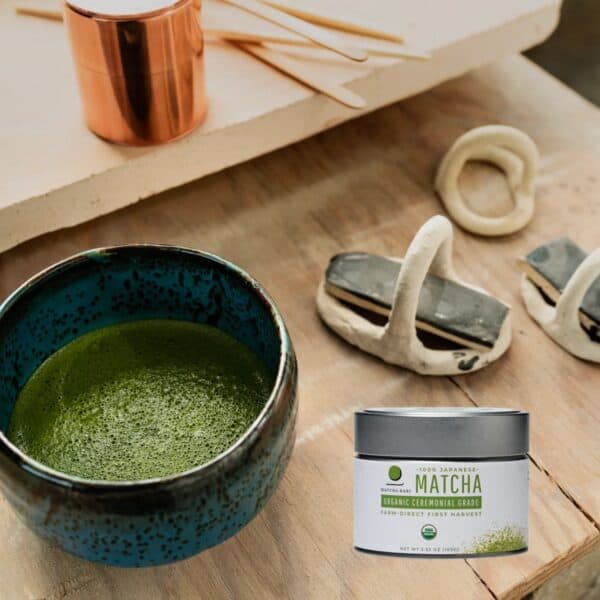
Matcha Kari Matcha Powder
Cost | $29.99 for 30g ($1.00 per gram)
Certifications | USDA Organic
Tests For Heavy Metals | tested by independent, third-party laboratories
Tests For Radioactivity | yes
Growing Region | Uji, Kyoto Japan
Grade | ceremonial-grade
Shop | Matcha Kari Matcha Powder
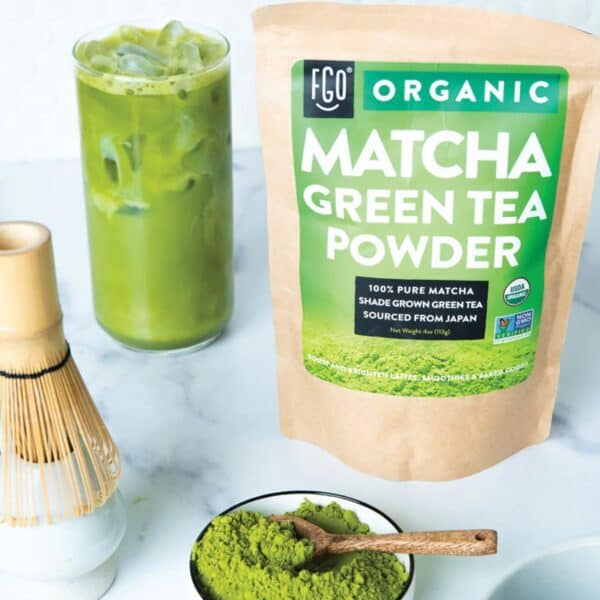
FGO Culinary Grade Matcha Powder
Cost | $20.99 for 113g ($0.19 per gram)
Certifications | USDA Organic and Non-GMO
Tests For Heavy Metals | Six stage screening process is conducted by an accredited, third-party laboratory
Tests For Radioactivity | yes
Growing Region | not specified, Japan
Grade | culinary-grade
Shop | FGO Culinary Grade Matcha Powder
More Non-Toxic Kitchen Inspiration